




UN Claim Myanmar Seeks Ethnic Cleansing of Rohingya

Jum'at, 25 November 2016 - 03:23 WIB

UN Claim Myanmar Seeks Ethnic Cleansing of Rohingya
A
A
A
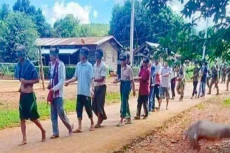
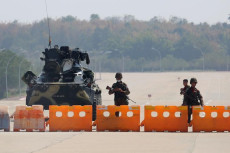
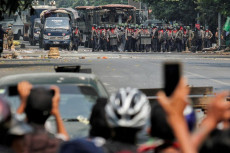
NAYPYIDAW - The government of Myanmar has been conducting counter insurgency operations since coordinated attacks on border guards in October. It denies reports of atrocities.
Myanmar officials say Rohingyas are setting fire to their own houses in northern Rakhine state. As report by BBC, journalis cannot visit the area to verify what is occurring there as journalists and aid workers have been barred.
The Rohingya, who number about one million, are seen by many of Myanmar's Buddhist majority as illegal migrants from Bangladesh. Although Bangladesh's official policy is not to allow in illegal entrants across the border, the foreign ministry has confirmed that thousands of Rohingyas have already sought refuge in the country. Thousands more are reportedly gathering on the border.
"Armed forces have been killing Rohingya in Rakhine state, forcing many to flee to neighboring Bangladesh," said John McKissick, head of the United Nations (UN) refugee agency (UNHCR) in Bangladesh border town told to BBC.
He said, Myanmar military and border guard police had 'engaged in collective punishment of the Rohingya minority' after the murders of nine border guards on 9 October which some politicians blamed on a Rohingya militant group.
"Security forces have been killing men, shooting them, slaughtering children, raping women, burning and looting houses, forcing these people to cross the river into Bangladesh," McKissick said.
"Now it's very difficult for the Bangladeshi government to say the border is open because this would further encourage the government of Myanmar to continue the atrocities and push them out until they have achieved their ultimate goal of ethnic cleansing of the Muslim minority in Myanmar," he added.
![UN Claim Myanmar Seeks Ethnic Cleansing of Rohingya]()
On Wednesday, the Bangladesh foreign ministry summoned Myanmar's ambassador to express 'deep concern' over the military operation in northern Rakhine state. It said 'desperate people' were crossing the border seeking safety and shelter and asked Myanmar to 'ensure the integrity of its border'. Authorities in Bangladesh have been detaining and repatriating hundreds of fleeing Rohingya.
From Oct. 9 military attack may have been set off by an earlier government announcement that it planned to destroy illegal structures in the area, including more than 2,500 homes, 600 shops, a dozen mosques and more than 30 schools.
“That was saying we have to reduce the population of Rohingya,” said U Kyaw Min, a Rohingya who is the chairman of the Democracy and Human Rights Party.
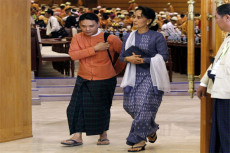
One year ago, after a historic election, Daw Aung San Suu Kyi, the longtime democracy champion and winner of the Nobel Peace Prize, became head of a new democratic government, inspiring hope that she would bring an end to the Rohingya’s suffering. In September, the Obama administration eased remaining economic sanctions on Myanmar, citing, among other achievements, the new government’s focus on bringing 'respect for human rights to its people'.
That call now appears to have been premature. Aung San Suu Kyi herself insists on underlining the Rohingya’s foreignness by referring to them as “Bengalis” and argues that the government’s response to the attack is based on “the rule of law.”
Meanwhile, most humanitarian assistance has been cut off to the area. UNICEF has warned that thousands of malnourished children are in danger of starving and lack medical care. The government must immediately allow aid to reach those in need. UN and the US are calling for an impartial investigation into the violence, and Human Rights Watch is urging the government to invite the UN to assist. If Suu Kyi wants to defend her reputation as a human rights champion, she needs to extend that invitation now.
Myanmar officials say Rohingyas are setting fire to their own houses in northern Rakhine state. As report by BBC, journalis cannot visit the area to verify what is occurring there as journalists and aid workers have been barred.
The Rohingya, who number about one million, are seen by many of Myanmar's Buddhist majority as illegal migrants from Bangladesh. Although Bangladesh's official policy is not to allow in illegal entrants across the border, the foreign ministry has confirmed that thousands of Rohingyas have already sought refuge in the country. Thousands more are reportedly gathering on the border.
"Armed forces have been killing Rohingya in Rakhine state, forcing many to flee to neighboring Bangladesh," said John McKissick, head of the United Nations (UN) refugee agency (UNHCR) in Bangladesh border town told to BBC.
He said, Myanmar military and border guard police had 'engaged in collective punishment of the Rohingya minority' after the murders of nine border guards on 9 October which some politicians blamed on a Rohingya militant group.
"Security forces have been killing men, shooting them, slaughtering children, raping women, burning and looting houses, forcing these people to cross the river into Bangladesh," McKissick said.
"Now it's very difficult for the Bangladeshi government to say the border is open because this would further encourage the government of Myanmar to continue the atrocities and push them out until they have achieved their ultimate goal of ethnic cleansing of the Muslim minority in Myanmar," he added.

On Wednesday, the Bangladesh foreign ministry summoned Myanmar's ambassador to express 'deep concern' over the military operation in northern Rakhine state. It said 'desperate people' were crossing the border seeking safety and shelter and asked Myanmar to 'ensure the integrity of its border'. Authorities in Bangladesh have been detaining and repatriating hundreds of fleeing Rohingya.
From Oct. 9 military attack may have been set off by an earlier government announcement that it planned to destroy illegal structures in the area, including more than 2,500 homes, 600 shops, a dozen mosques and more than 30 schools.
“That was saying we have to reduce the population of Rohingya,” said U Kyaw Min, a Rohingya who is the chairman of the Democracy and Human Rights Party.
One year ago, after a historic election, Daw Aung San Suu Kyi, the longtime democracy champion and winner of the Nobel Peace Prize, became head of a new democratic government, inspiring hope that she would bring an end to the Rohingya’s suffering. In September, the Obama administration eased remaining economic sanctions on Myanmar, citing, among other achievements, the new government’s focus on bringing 'respect for human rights to its people'.
That call now appears to have been premature. Aung San Suu Kyi herself insists on underlining the Rohingya’s foreignness by referring to them as “Bengalis” and argues that the government’s response to the attack is based on “the rule of law.”
Meanwhile, most humanitarian assistance has been cut off to the area. UNICEF has warned that thousands of malnourished children are in danger of starving and lack medical care. The government must immediately allow aid to reach those in need. UN and the US are calling for an impartial investigation into the violence, and Human Rights Watch is urging the government to invite the UN to assist. If Suu Kyi wants to defend her reputation as a human rights champion, she needs to extend that invitation now.
(rnz)