




Time to Defend Our Global Ocean Now!

Jum'at, 15 April 2016 - 19:46 WIB
Time to Defend Our Global Ocean Now!
A
A
A
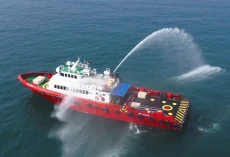
NEW YORK - In past months, Jakarta-Beijing relations hit by chills. Indonesia captured a Chinese fishing vessel fishing illegally in Indonesian Exclusive Economic Zone (ZEE) near Natuna Island. This incident not only raise tensions in that area, but also up to Jakarta. Indonesian Foreign Affairs Minister, Retno Marsudi need to summon Chinese Ambassador for Indonesia for send diplomatical note.
Now, this conflict has subsided, but it's good to Indonesia and China learn a discourse that is being drafted by United Nation (UN) in order to prevent this from happening in the future. Although not just merely a matter of state sovereignty, this discourse is also at least could be the benchmark in marine dredging efforts by other countries illegally. What kind of discourse, it can be listened to in the article below:
It Is Time to Defend Our Global Ocean!
An interesting moment occurred on the last day of Preparatory Committee Meeting of Areas Beyond National Jurisdiction (ABNJ) at the UN Headquarters, when the delegate from Jamaica delivered her closing remarks.
It was a solemn and moving moment when she quoted the statement by the Ambassador of Malta on the occasion of General Assembly (First Committee) meeting on 1 November 1967. She commenced to sob when saying “the dark oceans were the womb of life: from the protecting oceans life emerged. We still bear in our bodies-in our blood in the salty bitterness of our tears-the marks of this remote past”.
The Ambassador’s words had a sobering effect on all assembled as they captured the spirit of the meeting and the meeting room turned into very silent afterwards as though the ambassador was overseeing us.
ABNJ is important to human life as more than 50 percent of the world’s oceans are in this scope. It is clear that ABNJ are considered vital to sustainable development, food security and poverty alleviation. Industrial activity in the ABNJ is expanding to include seabed mining, ocean energy generation, distant industrial fishing and bioprospecting for marine genetic resources.
However, technological advances should be treated with caution since they aid and facilitate more intense exploitation through industrialization, overcoming the high costs associated with monitoring and enforcement outside national jurisdiction. It is therefore crucial to reform the governance of the ocean activities beyond our borders which have the potential to jeopardize the health and productivity of our marine ecosystems.
Negotiations to create an International Legally Binding Instrument (ILBI) on governing marine resources beyond national borders took place from 28 March - 8 April 2016 at the United Nations Headquarters in New York. This first negotiation focused on the scope of an ILBI under the United Nations Convention on the Law of the Sea (UNCLOS) on the conservation and sustainable use of marine biological diversity of ABNJ in which the principles of common heritage to mankind and freedom of navigation apply.
The ambit of ABNJ is beyond domestic jurisdiction covering territorial sea, Economic Exclusive Zone (EEZ), contiguous zone and continental shelf. The current negotiations are undoubtedly historic and significant, and are the direct result of United Nations General Assembly Resolution A/RES/69/292, which tackled the challenge of coordinated governance of the biodiversity beyond national borders through the adoption of a legally binding instrument under UNCLOS.
The accelerating industrialization and unregulated prospective uses for biodiversity beyond national borders prompted Heads of States to commit to the urgent need for the study of the issues that threaten the conservation and sustainable use of Biodiversity Beyond National Jurisdiction (BBNJ) in Rio de Janeiro in 2012. In 2015, the UN Working Group that undertook the study stressed the need for a comprehensive regime, and recommended the UNGA establish a preparatory committee which is open to all United Nations members States before holding an intergovernmental conference to develop an ILBI for the governance of BBNJ.
The negotiation process in the preparatory committee unpacked the four issues included in the 2011 package: (1) Marine Genetic Resources (MGRs), (2) Measures for conservation and sustainable use, including area-based management tools (ABMTs), including Marine Protected Areas (MPAs), (3) Environmental Impact Assessments (EIAs) and (4) Capacity-building and the Transfer of Marine Technology (TMT).
Negotiators face a host of complex issues and challenges, especially in the creation of an access and benefit sharing mechanism for MGRs, and the creation of a mechanism for the creation of MPAs in ABNJ. Additional challenges arose in the negotiation of an agreement and the creation of an appropriate institutional structure that does not undermine the mandates of existing organizations. There are also challenges in establishing an appropriate dispute settlement mechanism, unresolved continental shelf and mechanism for coordination and oversight for the regulation of activities.
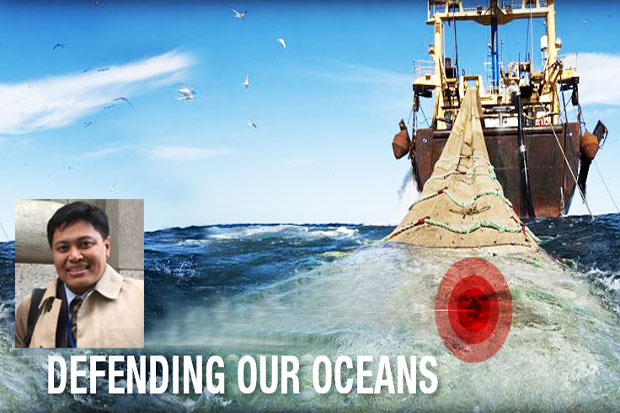
For biodiversity beyond national borders, fishing poses a great threat. For Indonesia, Illegal, Unreported and Unregulated (IUU) fishing beyond our borders threatens environment and livelihoods. Indonesia has taken a strong stance on IUU fishing in both domestic and international forums.
International negotiation in New York offers a key opportunity to prevent, deter and eliminate IUU fishing in ABNJ. As a responsible member of the international community, Indonesia can use this opportunity to include combating illicit activities on the high seas on the global agenda. Combatting IUU fishing in the high seas stands to limit the entry of IUU fishing vessels operating in Indonesia’s jurisdiction.
For Indonesia and its friends in the Group 77 and China (G77), careful attention is needed in the following issues in ABNJ: First of all, the legal framework on ABNJ should not undermine existing legal arrangements, including the UN Fish Stocks Agreement, the FAO Compliance Agreement, and other relevant legal mechanisms. Second, Indonesia should help developing states to benefit from MGRs in ABNJ including Intellectual Property Rights.
It is imperative to establish the connection between the matters with WIPO and the WTO system in order to have an integrated global system. Third, the institutional framework for the ILBI should also be considered in relation to the policies and practices of the Regional Fisheries Management Organizations. Fourth, Indonesia should ensure that capacity building and transfer of technology will help developed and developing states on equal footing for ABNJ issues.
Sixth, of particular importance to these negotiations is the link between IUU fishing and/as transnational organized crime which occurs beyond national waters. Criminal activities such as over-exploitation of fisheries and human trafficking are key examples of illicit activities occurring within and beyond national borders of Indonesia’s oceans.
Eradicating the problem of IUU fishing requires global cooperation, and it is important for Indonesia to continue to address the global community and help them recognize and cooperate in this unprecedented opportunity to eliminate illegal and criminal activities at sea by the creation of a legally binding instrument of ABNJ. Jamaica delegate was correct in bringing up the statement of the Ambassador of Malta across the room. Our mandate is clear: it is time to defend our global ocean!
Zaki Mubarok Busro ([email protected])
- Member of Regional Leaders Participating in Preparatory Committee on ABNJ in UN Headquarters.
- UN Nippon Fellow in UN Division on Ocean Affairs and the Law of the Sea (DOALOS).
- PhD Student in Ocean Law and Policy, Australian National Center for Ocean Resources and Security (ANCORS), University of Wollongong, Australia.
Now, this conflict has subsided, but it's good to Indonesia and China learn a discourse that is being drafted by United Nation (UN) in order to prevent this from happening in the future. Although not just merely a matter of state sovereignty, this discourse is also at least could be the benchmark in marine dredging efforts by other countries illegally. What kind of discourse, it can be listened to in the article below:
It Is Time to Defend Our Global Ocean!
An interesting moment occurred on the last day of Preparatory Committee Meeting of Areas Beyond National Jurisdiction (ABNJ) at the UN Headquarters, when the delegate from Jamaica delivered her closing remarks.
It was a solemn and moving moment when she quoted the statement by the Ambassador of Malta on the occasion of General Assembly (First Committee) meeting on 1 November 1967. She commenced to sob when saying “the dark oceans were the womb of life: from the protecting oceans life emerged. We still bear in our bodies-in our blood in the salty bitterness of our tears-the marks of this remote past”.
The Ambassador’s words had a sobering effect on all assembled as they captured the spirit of the meeting and the meeting room turned into very silent afterwards as though the ambassador was overseeing us.
ABNJ is important to human life as more than 50 percent of the world’s oceans are in this scope. It is clear that ABNJ are considered vital to sustainable development, food security and poverty alleviation. Industrial activity in the ABNJ is expanding to include seabed mining, ocean energy generation, distant industrial fishing and bioprospecting for marine genetic resources.
However, technological advances should be treated with caution since they aid and facilitate more intense exploitation through industrialization, overcoming the high costs associated with monitoring and enforcement outside national jurisdiction. It is therefore crucial to reform the governance of the ocean activities beyond our borders which have the potential to jeopardize the health and productivity of our marine ecosystems.
Negotiations to create an International Legally Binding Instrument (ILBI) on governing marine resources beyond national borders took place from 28 March - 8 April 2016 at the United Nations Headquarters in New York. This first negotiation focused on the scope of an ILBI under the United Nations Convention on the Law of the Sea (UNCLOS) on the conservation and sustainable use of marine biological diversity of ABNJ in which the principles of common heritage to mankind and freedom of navigation apply.
The ambit of ABNJ is beyond domestic jurisdiction covering territorial sea, Economic Exclusive Zone (EEZ), contiguous zone and continental shelf. The current negotiations are undoubtedly historic and significant, and are the direct result of United Nations General Assembly Resolution A/RES/69/292, which tackled the challenge of coordinated governance of the biodiversity beyond national borders through the adoption of a legally binding instrument under UNCLOS.
The accelerating industrialization and unregulated prospective uses for biodiversity beyond national borders prompted Heads of States to commit to the urgent need for the study of the issues that threaten the conservation and sustainable use of Biodiversity Beyond National Jurisdiction (BBNJ) in Rio de Janeiro in 2012. In 2015, the UN Working Group that undertook the study stressed the need for a comprehensive regime, and recommended the UNGA establish a preparatory committee which is open to all United Nations members States before holding an intergovernmental conference to develop an ILBI for the governance of BBNJ.
The negotiation process in the preparatory committee unpacked the four issues included in the 2011 package: (1) Marine Genetic Resources (MGRs), (2) Measures for conservation and sustainable use, including area-based management tools (ABMTs), including Marine Protected Areas (MPAs), (3) Environmental Impact Assessments (EIAs) and (4) Capacity-building and the Transfer of Marine Technology (TMT).
Negotiators face a host of complex issues and challenges, especially in the creation of an access and benefit sharing mechanism for MGRs, and the creation of a mechanism for the creation of MPAs in ABNJ. Additional challenges arose in the negotiation of an agreement and the creation of an appropriate institutional structure that does not undermine the mandates of existing organizations. There are also challenges in establishing an appropriate dispute settlement mechanism, unresolved continental shelf and mechanism for coordination and oversight for the regulation of activities.
For biodiversity beyond national borders, fishing poses a great threat. For Indonesia, Illegal, Unreported and Unregulated (IUU) fishing beyond our borders threatens environment and livelihoods. Indonesia has taken a strong stance on IUU fishing in both domestic and international forums.
International negotiation in New York offers a key opportunity to prevent, deter and eliminate IUU fishing in ABNJ. As a responsible member of the international community, Indonesia can use this opportunity to include combating illicit activities on the high seas on the global agenda. Combatting IUU fishing in the high seas stands to limit the entry of IUU fishing vessels operating in Indonesia’s jurisdiction.
For Indonesia and its friends in the Group 77 and China (G77), careful attention is needed in the following issues in ABNJ: First of all, the legal framework on ABNJ should not undermine existing legal arrangements, including the UN Fish Stocks Agreement, the FAO Compliance Agreement, and other relevant legal mechanisms. Second, Indonesia should help developing states to benefit from MGRs in ABNJ including Intellectual Property Rights.
It is imperative to establish the connection between the matters with WIPO and the WTO system in order to have an integrated global system. Third, the institutional framework for the ILBI should also be considered in relation to the policies and practices of the Regional Fisheries Management Organizations. Fourth, Indonesia should ensure that capacity building and transfer of technology will help developed and developing states on equal footing for ABNJ issues.
Sixth, of particular importance to these negotiations is the link between IUU fishing and/as transnational organized crime which occurs beyond national waters. Criminal activities such as over-exploitation of fisheries and human trafficking are key examples of illicit activities occurring within and beyond national borders of Indonesia’s oceans.
Eradicating the problem of IUU fishing requires global cooperation, and it is important for Indonesia to continue to address the global community and help them recognize and cooperate in this unprecedented opportunity to eliminate illegal and criminal activities at sea by the creation of a legally binding instrument of ABNJ. Jamaica delegate was correct in bringing up the statement of the Ambassador of Malta across the room. Our mandate is clear: it is time to defend our global ocean!
Zaki Mubarok Busro ([email protected])
- Member of Regional Leaders Participating in Preparatory Committee on ABNJ in UN Headquarters.
- UN Nippon Fellow in UN Division on Ocean Affairs and the Law of the Sea (DOALOS).
- PhD Student in Ocean Law and Policy, Australian National Center for Ocean Resources and Security (ANCORS), University of Wollongong, Australia.
(rnz)